New York's #1 Facelift Expert
New York's #1 Facelift Expert
Modern facial rejuvenation designed to look like you, simply younger.
Subtle refinement that restores your natural facial balance, keeping you recognizably yourself.

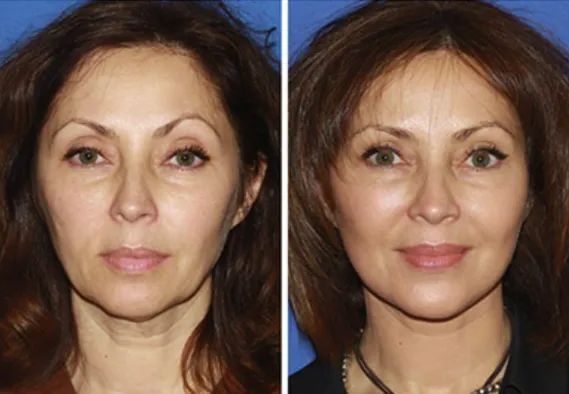


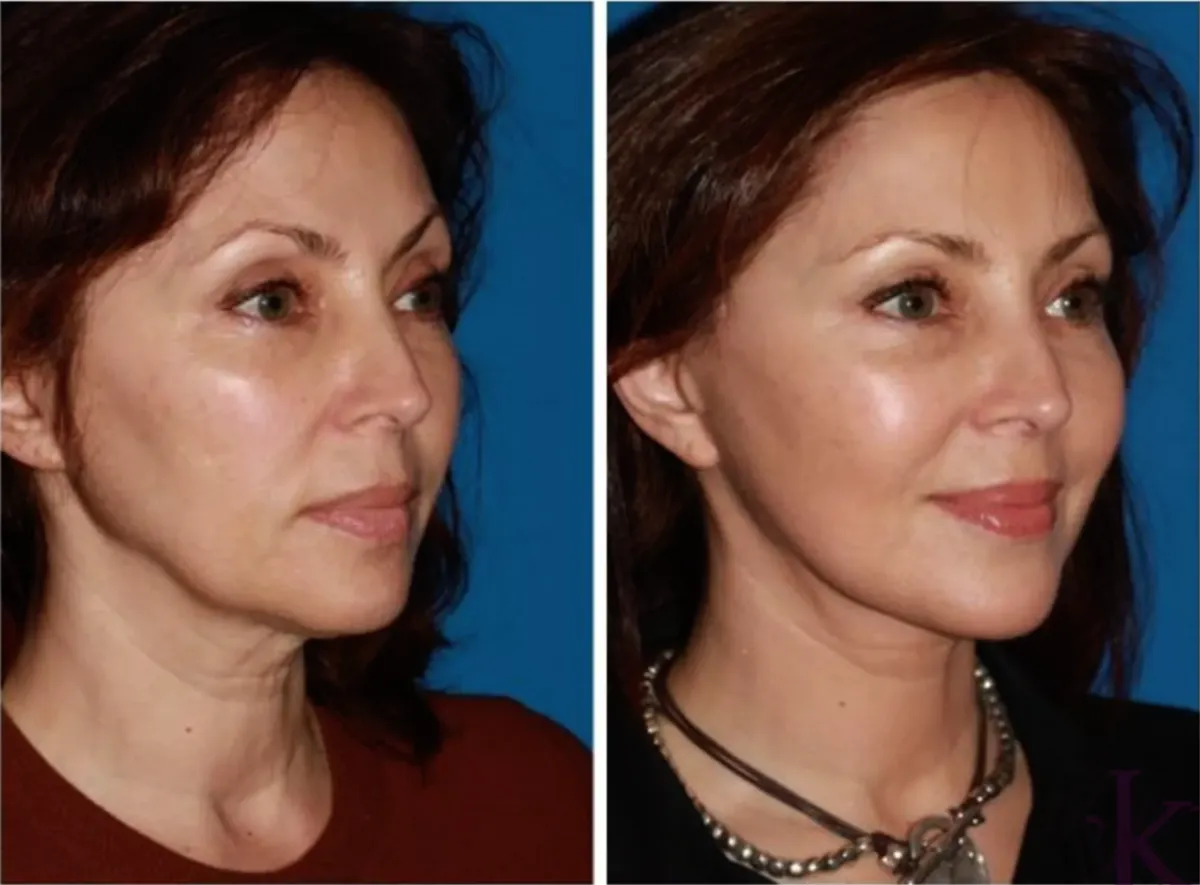
Real Patients.
"Dr K is a real Michelangelo of face aesthetics."
"Excellent doctor. An artist that transforms an aging effect into a younger natural looking face"
"Delicate, subtle and precise are the three words that accurately describe the workmanship that Dr. K offers..."
Natural Results.
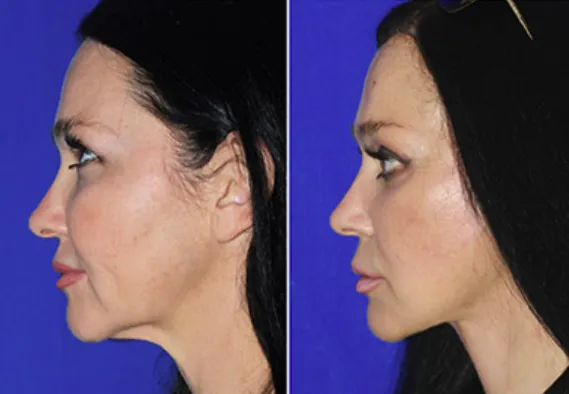
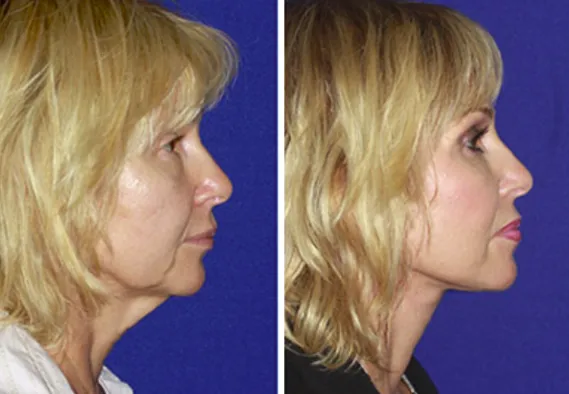
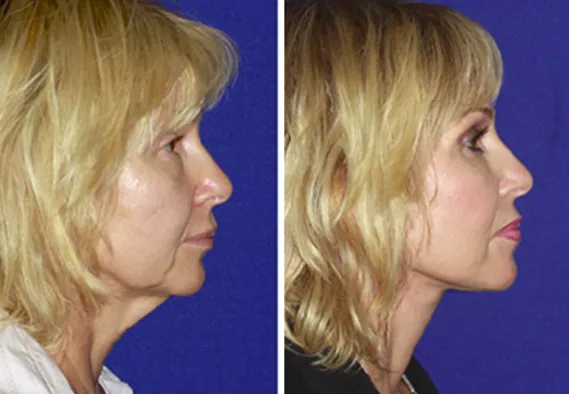
Dr. Konstantin's before and after photos provide a glimpse into the extraordinary caliber of results he creates on a daily basis.
The facelift has long been considered the "gold standard" of facial rejuvenation. No other cosmetic procedure can compare to its profound rejuvenatung effect: improving skin laxity, reducing facial wrinkles, smoothing out deep lines, and restoring youthful facial contour.
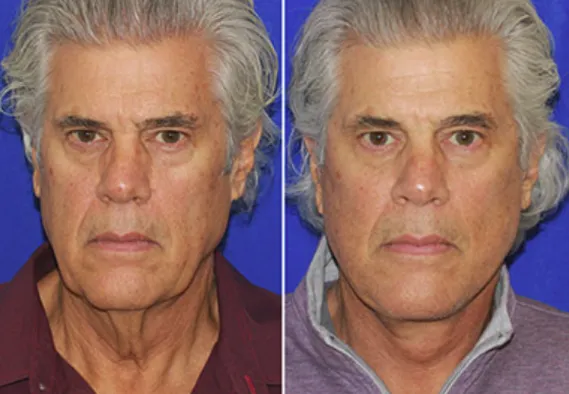

What type of Facelift is Best for You?
Deciding which type of facelift is best for you can be a difficult undertaking. Dr. Konstantin explains how to choose between a Mini Facelift and a Deep Plane Facelift based on your age, the extent of facial aging and the desired results.
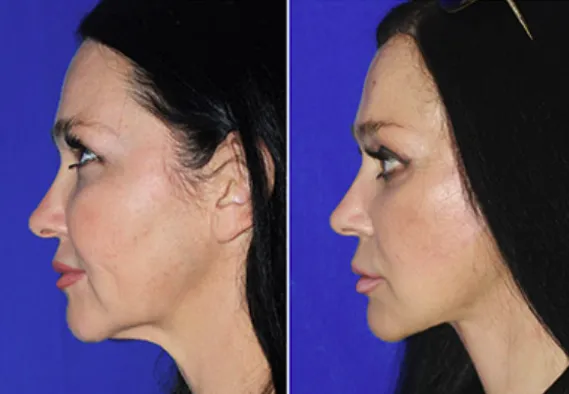
Mini Facelift
The type of facelift: SMAS
The best age for a mini facelift: 30s - 40s
Areas improved by a mini facelift: Jowls
Recovery Time: 1 week
How long does a mini facelift last? 10+ years
Mini Facelift Cost: $25,000
Deep Plane Facelift
The type of facelift: Sub-SMAS
The best age for a mini facelift: 50s - 70s
Areas improved by a deep plane facelift: Jowls, Neck, Upper Cheek
Recovery Time: 2 weeks
How long does a deep plane facelift last? 10-15 years
Deep Plane Facelift Cost: $45,000
FAQs
Your Questions Answered: Enhancing Beauty Safely with Dr. Konstantin
What is the best age to get a facelift?
There isn't really a specific age that is "best" for a facelift. Even people in their 30s begin to see signs of aging that can make them appear much older than they are. Instead, what matters is whether patients have sagging jowls or a double chin that truly bothers them. If so, a facelift is an appropriate procedure.
How would I know if I am a good candidate for a facelift?
There is a quick and easy test that you can perform at home to get an idea of whether or not a facelift would work for you. To see the effects of a facelift, stand in front of a mirror, put your fingers on the sides of the face about an inch outward from your ears, and lift the skin up and slightly back. If doing this lifts up sagging cheeks and smooths out the jowls, a facelift may be a good option for you. If not, you may want to re-consider a facelift surgery.
How much does a facelift cost?
In New York City, the typical price of an expertly performed facelift is between $30,000 and $100,000. The price of a mini facelift is usually lower, ranging from $15,000 to $55,000. The cost of a mini facelift would be higher if combined with a neck lift. Keep in mind that paying a higher price does not guarantee better results; however more experienced facelift surgeons will tend to charge higher fees. Many people feel that it makes sense to invest a bit more into your facelift to ensure higher quality.
How much does a neck lift cost?
A neck lift is frequently performed together with a lower facelift, with the total price for both procedures combined amounting to a cost in the range of $30,000-$50,000. In selected cases, a neck lift could be performed separately at a price between $15,000 and $30,000.
What is the difference between SMAS facelift and a deep plane facelift?
The major difference between a SMAS facelift and a deep plane facelift is that the latter can separate the deep ligaments of the face. When intact these ligaments prevent the cheek from being fully lifted. Once the ligaments are released, the whole face can be lifted freely. A SMAS facelift works best to rejuvenate the lower part of the face and improve the jowls, but without separating the ligament, it is not as effective at lifting the cheek up. Think of a SMAS facelift as a jowl lift and a deep plane facelift as a jowl and cheek lift.
What is the difference between a mini facelift and a full facelift?
A mini facelift (also known as a weekend lift, ponytail lift, lunchtime lift, or lifestyle lift), is typically a SMAS facelift. Since SMAS facelift works best to improve the jowls, it makes sense for this procedure to be used in early stages of aging for patients in their 30s and 40s. A full face lift is typically a deep plane or high SMAS facelift. It is very effective in lifting the entire face and thus is typically used in patients with more significant aging changes in ages ranging from 50s-70s.
Do I need to go under general anesthesia for a facelift?
Here at Dr. Konstantin’s practice, we prefer not to use general anesthesia; local anesthesia with twilight sedation is our preferred method. We feel this type of anesthesia is safer and the recovery from it is faster than the traditional alternative.
How long is the recovery after a facelift?
We recommend taking at least 1-2 weeks off from work to recover from a facelift. After this time most external signs of recent surgery should fade, and people usually feel quite comfortable appearing in public. Although, complete healing from a facelift may take up to a year, the majority of patients are completely healed by 2-3 month after the surgery.**
When should I expect to see the results of my facelift?
It typically takes 1-2 weeks to start seeing the results of the facelift. However, as the healing process continues, the appearance of the face will continue to improve. At Dr. Konstantin’s practice, we invite patients to come in for their picture follow up at two months after their surgery. At this point, we consider the results final.
How long will my facelift results last?
A facelift can reset the clock of facial aging, making the face appear ten or even fifteen years younger. The effects of a facelift last, on average, for ten to fifteen years. A facelift can be done again if needed. It is not uncommon for a patient to have two facelifts in their lifetime: one (a mini face lift) in their 30s-40s and another (deep plane facelift) in their 50s-60s.
Is facelift surgery safe?
Like chin lifts, neck lifts, and most other cosmetic operations, facelift surgery is a very safe procedure. Its safety is further enhanced when performed under a local anesthesia (typically coupled with light sedation).
How painful is facelift surgery?
Compared to many other cosmetic surgeries (such as tummy-tuck or breast lift), a facelift is considered to be not very painful procedure. During the surgery, the patient is either under full anesthesia or under the effects of local anesthetic, which makes most patients feel very little pain. After the procedure, patients typically experience the sensation of tightness (especially in the neck). However, as long as one takes prescribed pain medications, the level of pain and discomfort should not be very significant.
Should I try a non-surgical facelift first?
Non-surgical facelift could be an effective alternative to a surgical rejuvenation in younger patients. There is a number of minimally-invasive procedures that aim to replicate the effects of the facelift while avoiding the need for surgery. Treatments such as Ultherapy, Thermage, ThreadLift, and Liquid Facelift typically result in fairly subtle rejuvenating effects and shorter longevity than a surgical counterpart. Therefore, they would be the most effective in the early stages of facial aging and are primarily effective in patients of a younger age group.

©2025 Konstantin Vasyukevich, MD